You're using a keyboard! How quaint!
In today's rapidly advancing digital age, where touchscreen devices and voice-controlled systems have become increasingly prevalent, it is fascinating to observe that many people still prefer to use keyboards
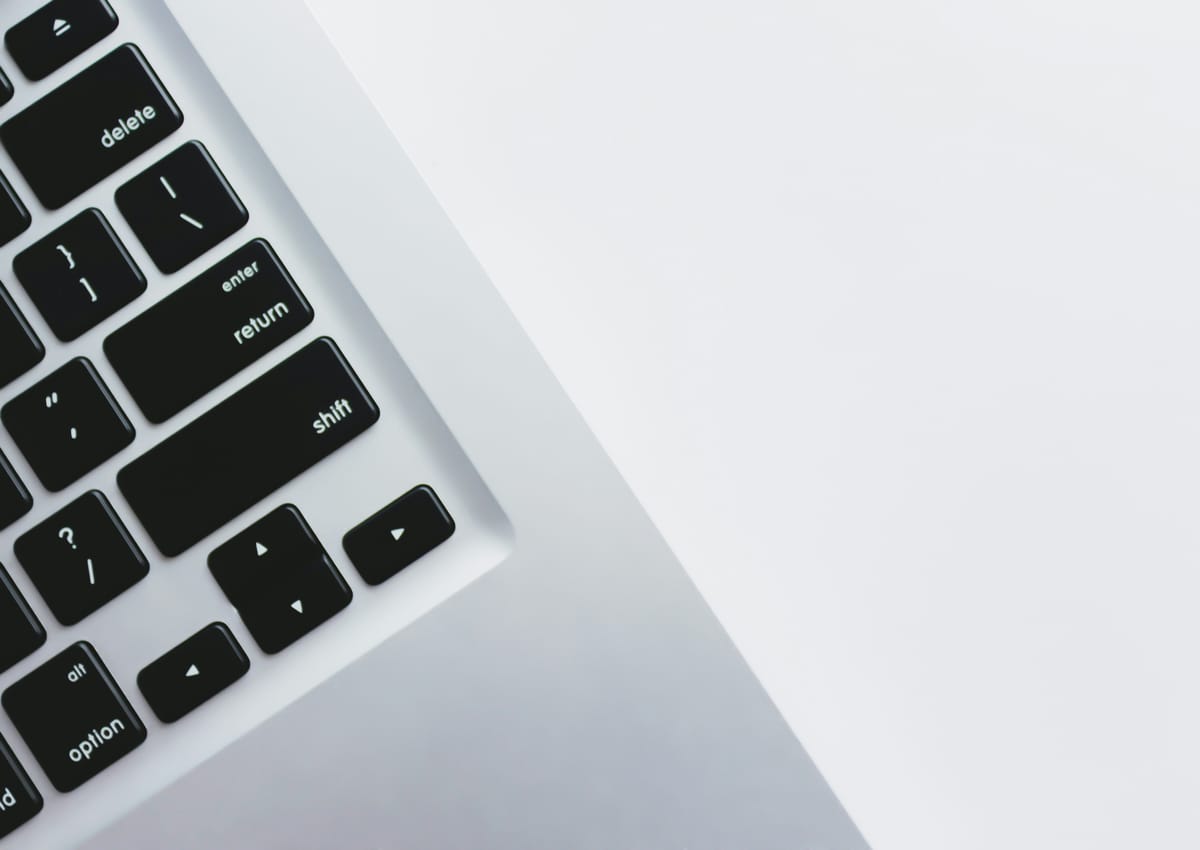
In today's rapidly advancing digital age, where touchscreen devices and voice-controlled systems have become increasingly prevalent, it is fascinating to observe that many people still prefer to use keyboards. Though these may seem like relics of the past, they are in fact a vital part of our modern communication landscape.
From humble beginnings as mechanical typewriters, keyboards have evolved and adapted to meet the changing needs of users across various industries and walks of life. They continue to be an essential tool for work-related correspondence, as well as a cornerstone of personal communication amongst friends and family members.
While touchscreen devices like smartphones and tablets have undoubtedly revolutionized how we interact with technology, they come with inherent limitations that make keyboards an indispensable alternative. Touchscreens are often cumbersome for typing long messages or documents, as their limited size can hinder precise input. Additionally, the autocorrect feature that many touchscreen devices offer, although helpful, is not foolproof and can sometimes lead to unintentional alterations in messages.
Moreover, the tactile feedback provided by keyboards offers a level of comfort and familiarity that cannot be replicated on touchscreens. The physical connection between user and device fosters an increased sense of control and focus, which is essential for efficient typing. This is especially important for those who spend significant amounts of time crafting complex documents or working in professions such as writing, journalism, or coding.
Furthermore, keyboards boast a level of personalization that is not easily achieved with touchscreen devices. Users can customize their keyboards with various layouts, sizes, and colors to suit their preferences, creating a unique experience that caters to individual needs. Moreover, keyboards are compatible with virtually any device, making them an adaptable solution for diverse work environments and personal circumstances.
In terms of accessibility, keyboards remain unparalleled in providing a reliable means of communication for individuals who may have difficulty using touchscreen devices due to physical impairments or visual limitations. By offering a more straightforward interface that requires minimal fine motor skills, keyboards enable users with disabilities to maintain independence and autonomy in their day-to-day activities.
However, it is crucial not to overlook the potential for human error when using keyboards. Typing mistakes can be time-consuming to correct, and they often require additional effort on the part of the recipient to decipher the intended message. Despite this, the benefits of keyboard usage far outweigh its occasional drawbacks, as it offers a versatile solution that caters to various communication needs across a range of users.
In conclusion, the continued prevalence of keyboards in today's digital landscape is a testament to their enduring appeal and utility. Though touchscreen devices have undoubtedly revolutionized how we interact with technology, they are not a substitute for the practicality, personalization, and accessibility offered by keyboards. As such, it seems that keyboards will remain an integral part of our modern communication landscape, providing users with a reliable and time-honored means of expression.