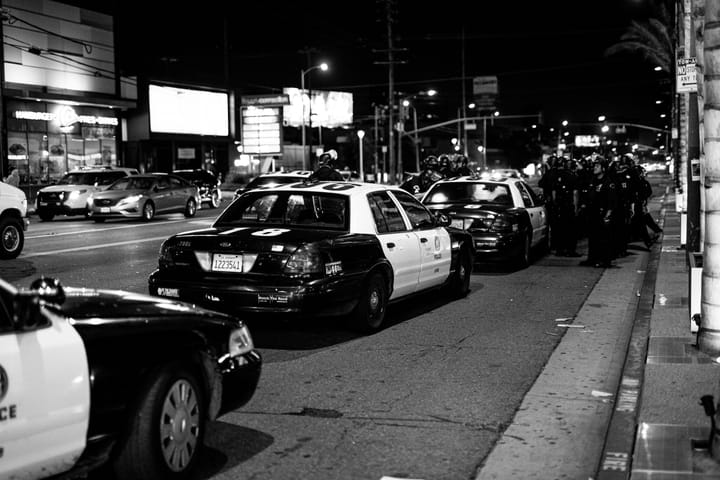
War is an equal opportunity destroyer.
The concept of war as an equal opportunity destroyer is not merely a phrase—it is a harsh reality that has been repeated throughout human history
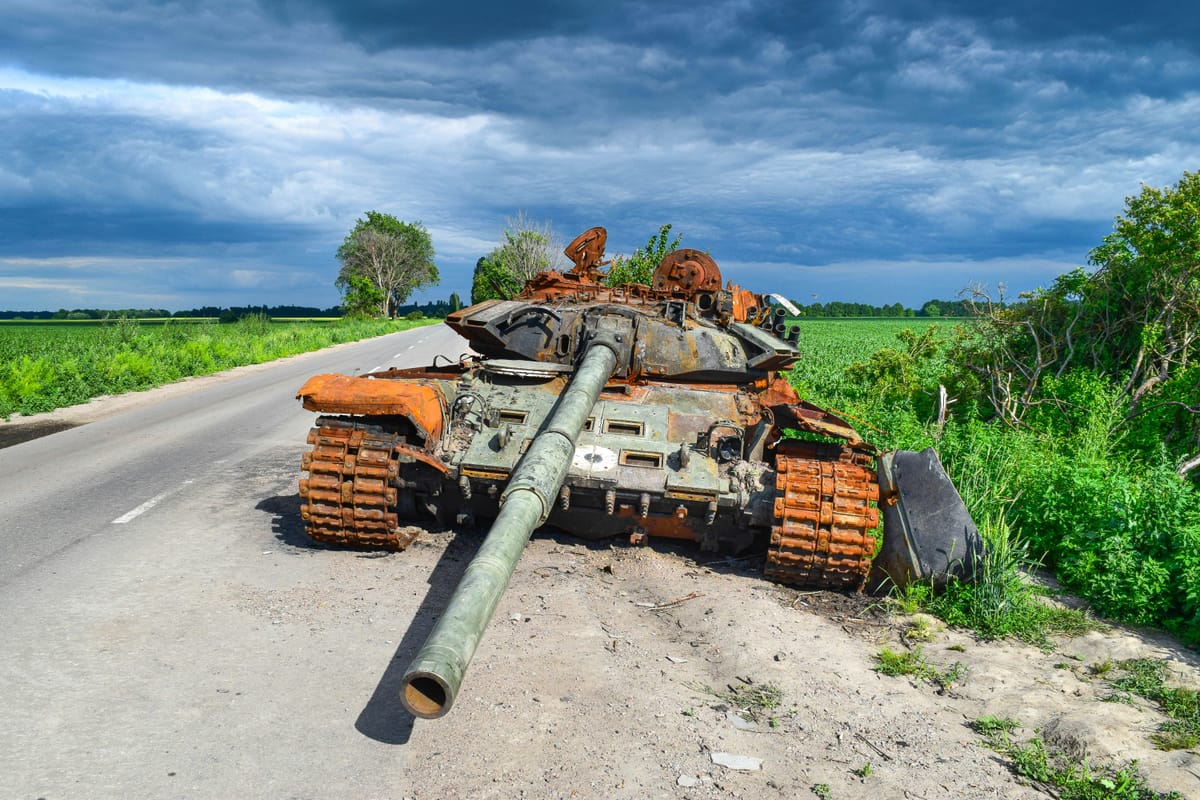
The concept of war as an equal opportunity destroyer is not merely a phrase—it is a harsh reality that has been repeated throughout human history. Wars do not discriminate; they do not spare the innocent, the young, the old, or the defenseless. Climate, culture, and creed mean little when bombs fall, bullets fly, and homes are reduced to rubble. Rich or poor, powerful or powerless, all are susceptible to the wreckage left in war’s wake.
In Syria, families once thriving in bustling cities now scramble for safety among the ruins of schools and hospitals. In Ukraine, farmers who once tilled fertile land now shelter in basements as their fields become battlegrounds. In Yemen, children starve as blockades strangle trade routes, and infrastructure that took decades to build crumbles in minutes. These are not isolated tragedies; they are patterns, proof that war does not care who stands in its path.
The so-called "collateral damage" of war is, in fact, its true nature. Governments justify conflict in the name of national security or ideological purity, but the most devastating toll is paid by ordinary people. Women forced to flee their homes, widowhood forced upon them by sudden violence. Children who know only war, their futures erased by bullets or shrapnel. The elderly, forgotten in the chaos, left to suffer in silence. War flattens all distinctions, turning soldiers and civilians into shared victims.
Economies, too, are not spared. Factories lie in ruins, trade grinds to a halt, and generations of progress are undone overnight. The scars of war last long after the fighting ends—lands scarred by landmines, psyches shattered by trauma, and societies left adrift in the wake of destruction. Rebuilding takes decades, sometimes centuries, and even then, the wounds may never fully heal.
Yet, war is not an inevitable force of nature—it is a human choice. Leaders declare battles, nations supply the guns, and people pay the price. The world has seen glimpses of peace, brief windows where cooperation and diplomacy prevail. Yet time and again, the temptation to solve disputes through violence creeps back in, proving that humanity has yet to outgrow its most destructive flaw.
War does not discriminate because it was never meant to bring solutions—only devastation. It feeds on division, thrives on fear, and leaves behind a legacy of grief. Until we recognize it as the equal opportunity destroyer it is, the cycle will continue. The alternative—peace, diplomacy, and empathy—demands more effort, more patience, and more courage. But it is the only way to ensure that war’s destruction does not claim another generation to its endless list of victims.