Understanding Generational Influence in Modern Parenting
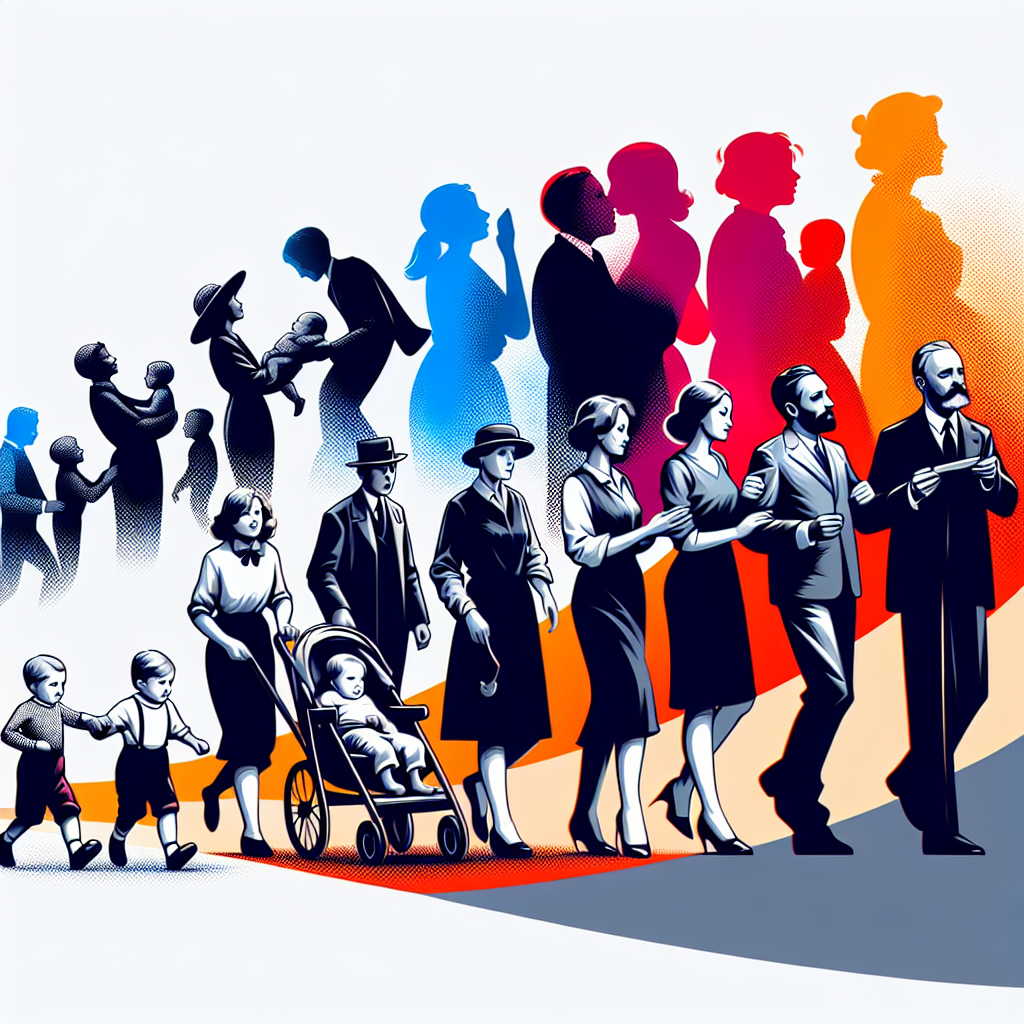
In today's rapidly changing world, understanding generational influence in modern parenting is crucial for fostering healthy relationships between parents and children. Each generation comes with its own set of values, beliefs, and experiences, which shape their parenting styles and approaches to child-rearing. Baby Boomers, for instance, often prioritize discipline and hard work, stemming from their upbringing during times of economic prosperity and social change.
They typically emphasize respect for authority and the importance of education. In contrast, Generation X parents, who experienced a more independent upbringing, tend to encourage self-reliance and critical thinking in their children. They often adopt a more hands-off approach, believing that children learn best through their own experiences. Millennial parents, on the other hand, prioritize emotional intelligence and inclusivity.
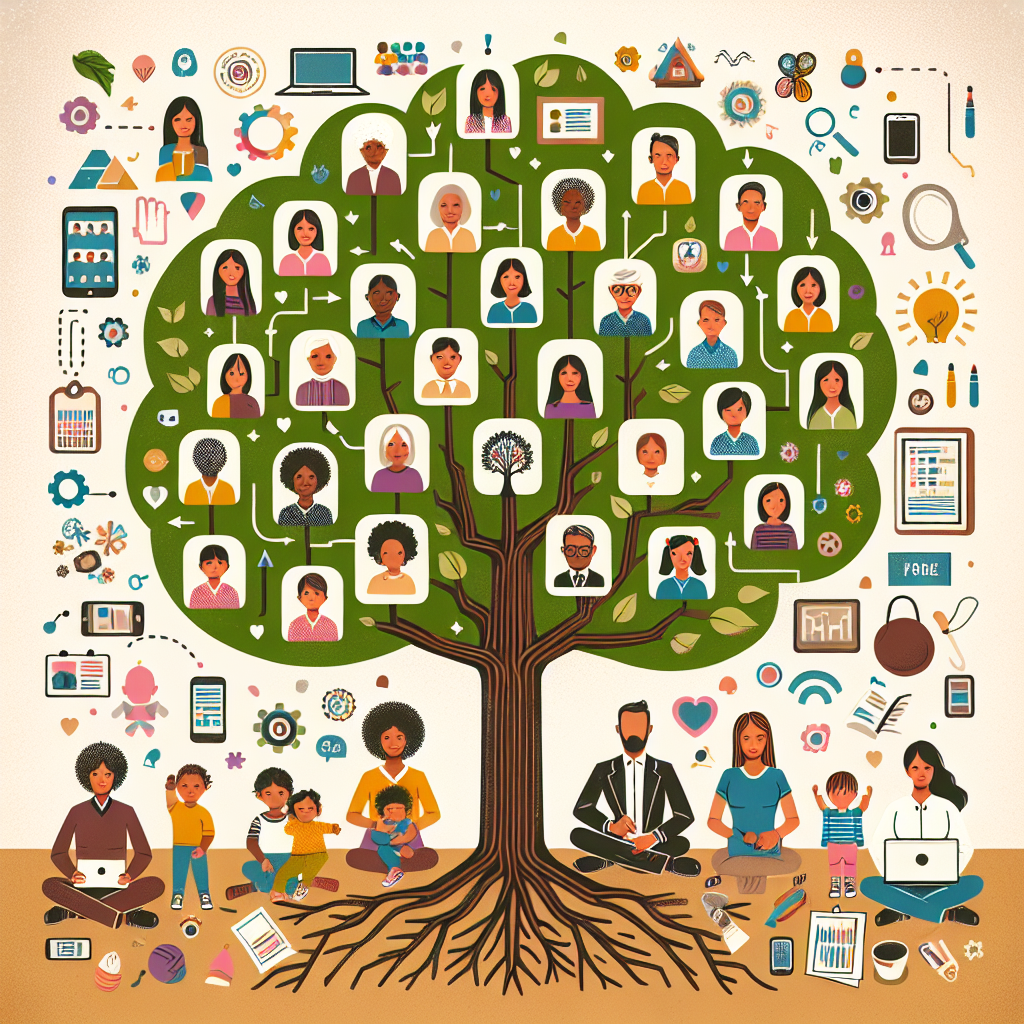
They are more likely to embrace technology and use it as a tool for learning and communication, often seeking a balance between screen time and real-world interactions. They focus on nurturing their children's individuality, promoting open discussions about feelings and mental health. Generation Z, the newest cohort of young parents, is expected to take a more progressive stance, informed by social justice movements and a greater emphasis on environmental issues. They are likely to blend traditional and modern parenting techniques, using social media as a platform for sharing parenting advice and experiences. Understanding these generational influences allows for a more empathetic approach to parenting. By recognizing the strengths and weaknesses of each generation’s methods, parents can adapt their strategies to better cater to the needs of their children, fostering a more supportive and understanding family dynamic.