"The identical is equal to itself, since it is different." - Franco Spisani
The enigmatic statement, "The identical is equal to itself, since it is different," proffered by Franco Spisani, throws the very foundations of logic and identity into question
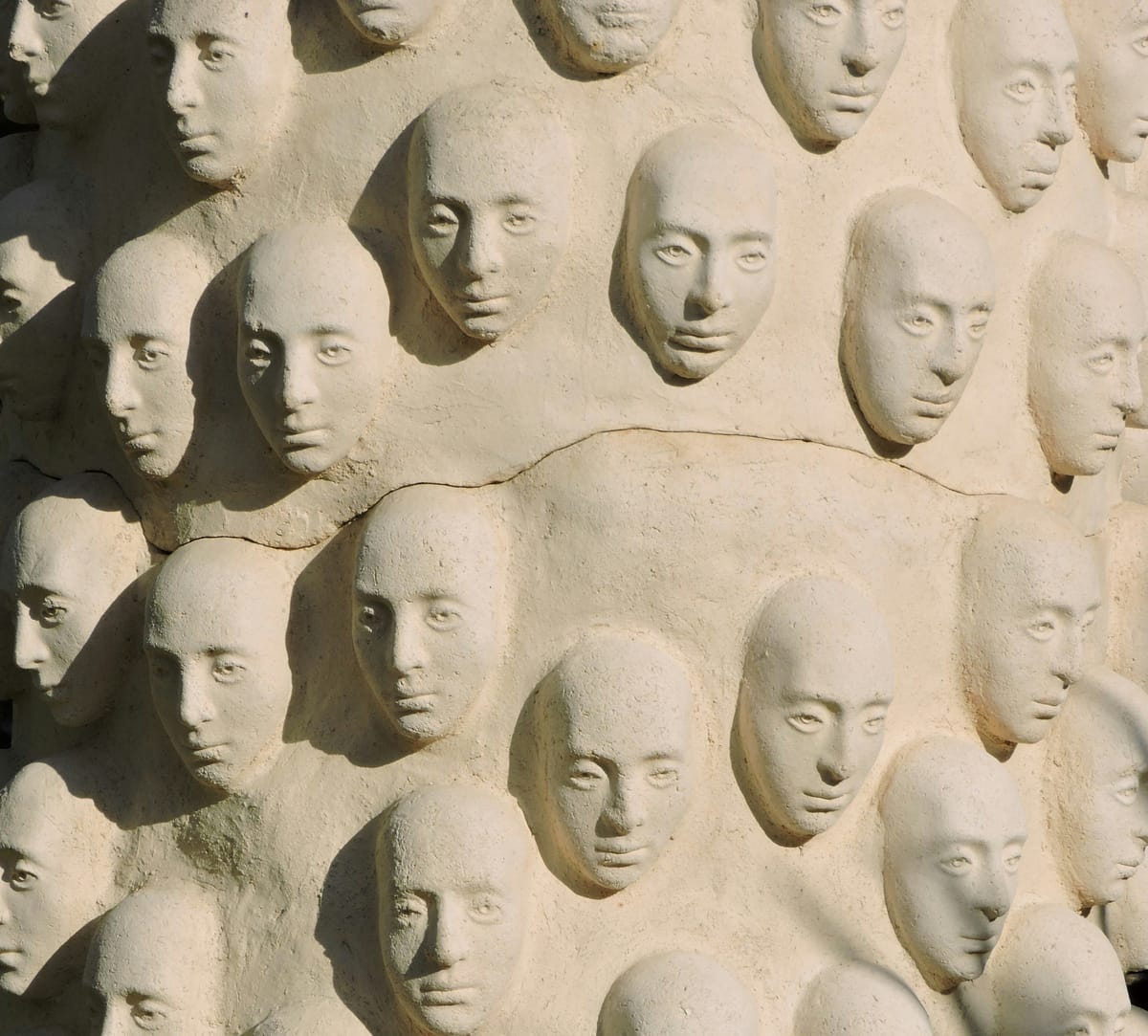
The enigmatic statement, "The identical is equal to itself, since it is different," proffered by Franco Spisani, throws the very foundations of logic and identity into question. On the surface, it seems like a self-contradictory paradox, an attempt to reconcile opposing concepts that by definition cannot coexist. The idea of something being both identical and different simultaneously is inherently baffling, challenging our ingrained understanding of how similarities and distinctions operate.
Yet, diving deeper into Spisani's paradox reveals a profound exploration of the nature of existence itself. It suggests that true identity is not a static, unchanging entity, but rather a dynamic process of constant becoming, a continuous dance between sameness and difference.
Consider, for instance, the concept of time. We perceive time as a linear progression, a forward-moving stream where each moment is unique and distinct from the last. Yet, at the same time, each moment is undeniably connected to those that precede and follow it, forming an interwoven tapestry of shared experience. Similarly, our sense of self evolves constantly, shaped by our interactions, experiences, and memories. The "identical" core of our being remains, but it is perpetually being reshaped by the "differences" that life throws our way.
Spisani's paradox could also be interpreted as a commentary on the limitations of language and categorization. We tend to simplify the world around us by labeling things, creating neat compartments of similarity and difference. But this approach risks overlooking the inherent complexity and fluidity of reality. Perhaps the very act of assigning labels—of defining something as "identical"—already introduces a degree of difference, a separation that wasn't inherently present.
In the realm of art, the concept of artistic creation itself embodies this paradox. An artist takes existing elements—colors, shapes, concepts—and through their unique vision, transforms them into something new and different. Yet, the resulting artwork is still undeniably rooted in the familiar, a re-imagining of the pre-existing.
Ultimately, Spisani's enigmatic statement invites us to step outside the confines of our comfortable assumptions about identity and difference. It challenges us to embrace the inherent ambiguity and paradox of existence, recognizing that true understanding may lie not in finding clear-cut answers but in exploring the fascinating gray areas where opposites converge. It is a call to see the world with fresh eyes, to appreciate the constant interplay of sameness and difference that shapes our world and defines our very being.