"San Francisco isn't what it used to be, and it never was." - Herb Caen
The once-vibrant city of San Francisco has been undergoing significant changes over recent years
The once-vibrant city of San Francisco has been undergoing significant changes over recent years. Known for its cultural scene and vibrant atmosphere, it was a city that many flocked to in search of a unique lifestyle. However, times are changing, and the essence of what made San Francisco so special may have faded away.
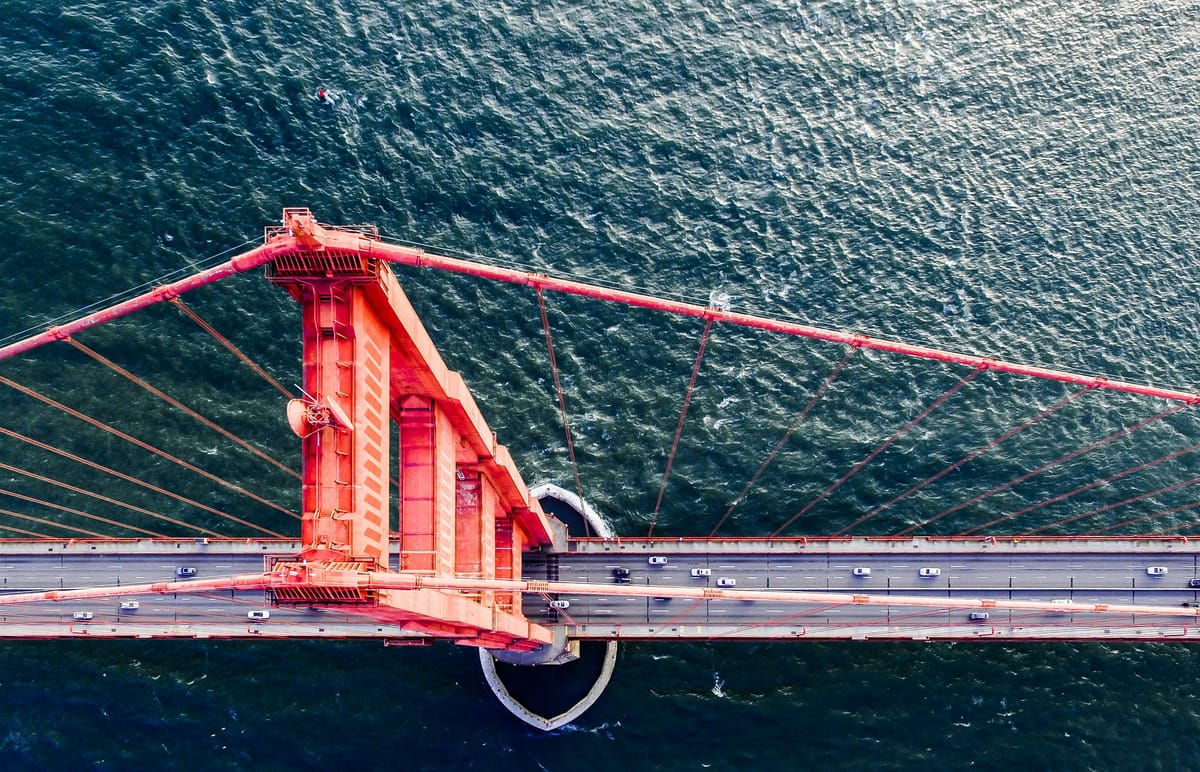
Once upon a time, the city-by-the-bay was known as a haven for artists, thinkers, and dreamers. Its steep hills, cable cars, and iconic Golden Gate Bridge seemed to capture the spirit of California's wild west days. The counterculture movement that started in the 60s, with figures such as Janis Joplin, the Grateful Dead, and the Summer of Love, was born here. It was a city where one could walk down the street and find an eclectic mix of people from all walks of life – a true melting pot.
In recent years, however, the city has seen a series of transformations that have altered its identity. Once-affordable neighborhoods are being gentrified at alarming rates. The tech boom in Silicon Valley has led to an influx of high-income residents and a surge in real estate prices, making it increasingly difficult for longtime residents to afford living in the city they've grown up in or called home.
The cost of living in San Francisco is now one of the highest in the nation, with many having to choose between paying rent or eating. The once-thriving small business scene has been replaced by an abundance of corporate chains and high-end retailers – a far cry from the mom-and-pop shops that used to line its streets.
Many locals lament over the city's loss of character, as well as the displacement of its original inhabitants. The influx of newcomers has led to an increased demand for services such as healthcare and education, but this is often not matched by an increase in supply. This has left many struggling to access these essential services, which can be seen as a reflection of a society that values profit over people.
Moreover, the city's cultural scene has also been significantly impacted by these changes. With many small venues being priced out and replaced by larger, more expensive establishments, the once-thriving music, arts, and theater scenes have taken a backseat to the tech industry.
Yet, despite this, there are still pockets of San Francisco that hold onto its original charm. The Mission District, known for its rich Latinx culture and vibrant street art scene, has become a haven for artists who can no longer afford to live in other parts of the city. Similarly, neighborhoods like the Haight-Ashbury continue to celebrate their counterculture past, with small bookstores and vintage clothing stores still lining its streets.
But even these areas are not immune to the pressures of gentrification and rising rents. It seems that, in a city once known for its progressive politics and bohemian spirit, the fight to preserve its character has become an uphill battle.
The loss of San Francisco's identity as a haven for artists, thinkers, dreamers, and misfits is palpable. Its transformation from a melting pot into a playground for the rich has led many to question what the city will look like in years to come. But perhaps, amidst all these changes, there remains hope that some semblance of San Francisco's original spirit can still be found – if one knows where to look.