Mother said there would be days like this, but she never said there would be so many.
The air hung thick and heavy, not just with humidity, but with a palpable sense of despair
The air hung thick and heavy, not just with humidity, but with a palpable sense of despair. Dust devils danced across the parched earth, swirling up gritty reminders of what had been. Fields once green and promising now lay cracked and barren, the stalks of wheat withered and brown, monuments to a drought that had stretched on for an agonizingly long time. Old Man Hemlock, who’d lived on this land his entire life, spat onto the dry ground, a gesture born of frustration and resignation. He’d seen dry spells before, of course. But this… this was different.
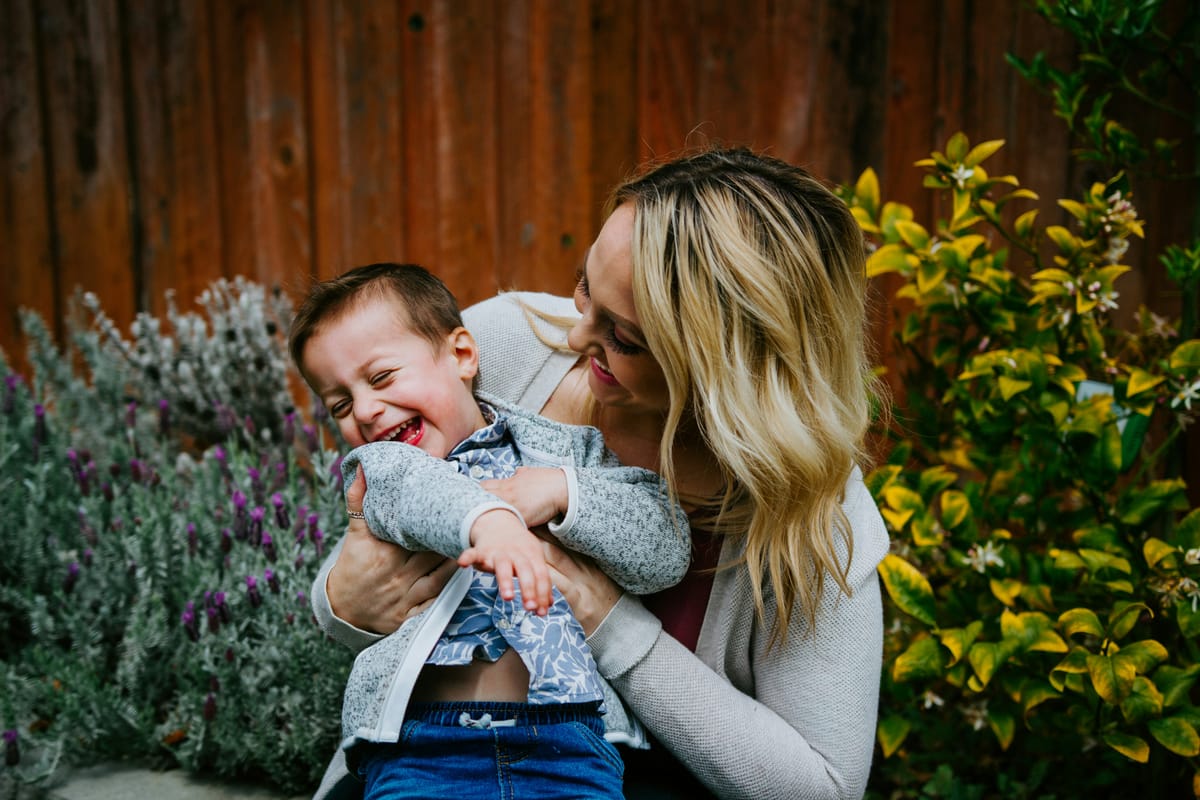
Sarah Jenkins knelt beside her son, eight-year-old Billy, his small face smudged with dirt and streaked with tears. He was clutching a tattered stuffed bear, its fur matted and worn. They were part of the growing exodus from Harmony Creek, a town that had once thrived on agriculture and community, now crumbling under the relentless pressure of the unrelenting sun.
Sarah swallowed, trying to maintain a brave façade. She remembered countless evenings spent pointing to the vast, empty sky, explaining to Billy about water cycles and the importance of conservation. "There would be days like this, Billy," she’d said, a gentle, reassuring tone in her voice. "Sometimes the rains come, sometimes they don't. But we’ll always find a way."
But she never said there would be so many. She had envisioned a few lean years, a little hardship, a reliance on community support. She hadn’t foreseen the slow, agonizing erosion of hope, the gut-wrenching realization that the land, their livelihood, their future, was slipping away.
The last well had run dry a week ago. The community’s emergency water reserves were dwindling at an alarming rate. The government aid promised months ago had yet to materialize, a cruel mockery of assistance when people were literally struggling to survive. The news reports from the capital spoke of bureaucratic red tape and shifting priorities, a world away from the desperate reality unfolding in Harmony Creek.
A caravan of vehicles, a mix of trucks, vans, and battered cars, was slowly making its way down the dusty road, each carrying families fleeing the devastation. They all bore the same weary look, the same hollow eyes that reflected the loss of everything familiar. Carloads of possessions, reduced to essentials – clothes, food, sentimental mementos – were piled precariously on top, symbols of shattered lives crammed into temporary shelters.
Among them was Martha Olsen, a lifelong teacher at Harmony Creek Elementary. She carried a box filled with children’s artwork, a tangible reminder of the future that was now uncertain. Her own grandchildren were among those leaving, and the thought of them starting over in a new place filled her with a quiet, aching sorrow. "It's not just about the water," she said, her voice raspy from the dust. "It's about losing a way of life, losing a sense of belonging. Losing hope."
As the sun began to dip below the horizon, casting long, melancholic shadows, Sarah gathered Billy close. The wind whipped around them, carrying with it the scent of dust and despair. She knew the journey ahead would be difficult, filled with uncertainty and hardship. But she also knew that she would do everything in her power to protect her son, to give him a future, even if it meant leaving behind everything they had ever known.
The weight of the situation pressed down on her, a crushing burden of responsibility. The memory of her promise to Billy echoed in her mind, a hollow reminder of words that now felt woefully inadequate. She held him tighter, whispering, "We'll be okay, Billy. We'll find a new place, a new home. We'll make a new life." But even as she spoke the words, a small, desperate part of her wondered if this time, the promise wouldn’t hold true. The dust continued to swirl, a constant, ominous reminder of the days that had come, and the terrifying possibility of so many more to come.