Money is the root of all wealth.
In a world increasingly obsessed with the accumulation of money, it's time to ask whether money really is the root of all wealth
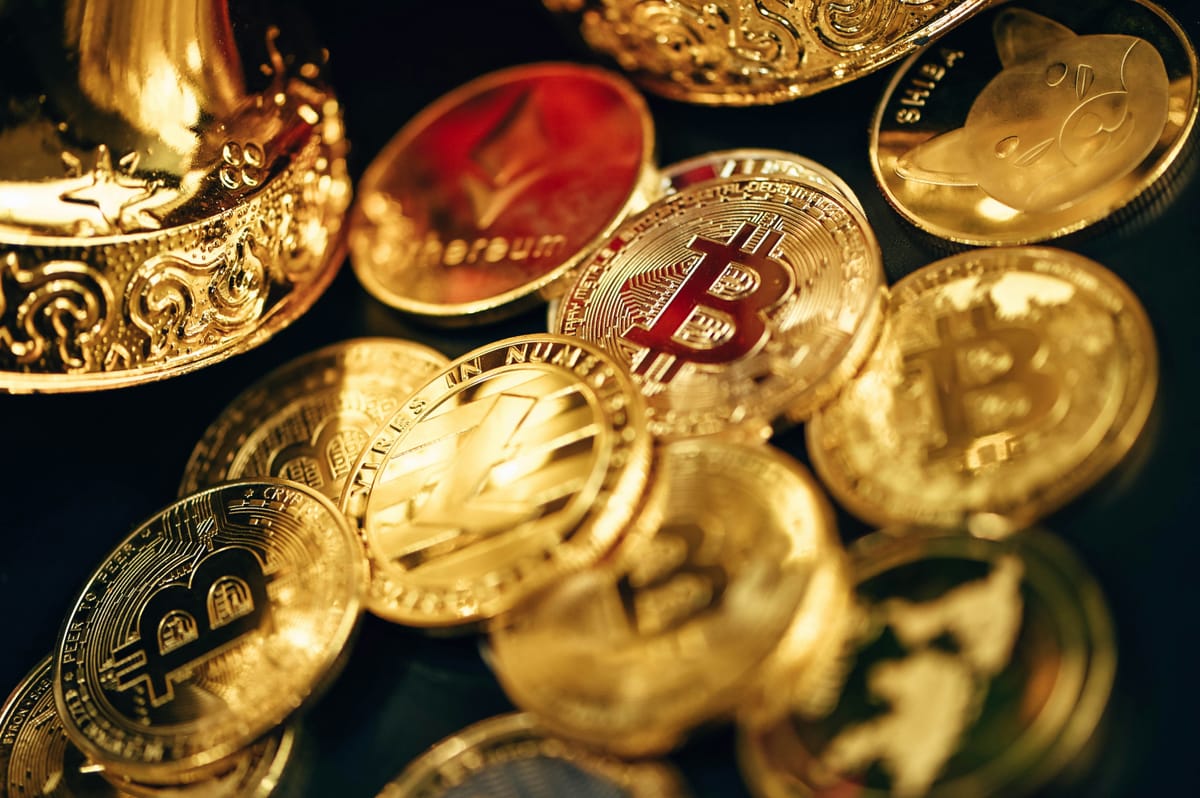
In a world increasingly obsessed with the accumulation of money, it's time to ask whether money really is the root of all wealth. The pursuit of financial gain has been ingrained in human nature for centuries, dating back to the early days of trade and bartering systems. As economies have evolved, so too have our perceptions of what constitutes wealth.
Today, money remains at the center of our understanding of wealth, but how much is it truly worth? It's undeniable that money plays a significant role in providing us with material possessions, opportunities to travel, access to healthcare, and financial security. But does having more money necessarily equate to more happiness or success in life?
As we delve deeper into the complexities of wealth, it becomes clear that money is but one component of an individual's overall wellbeing. Other factors such as health, relationships, personal growth, and mental well-being all contribute to a person's sense of satisfaction and contentment. In fact, many studies suggest that beyond a certain threshold, additional income does not translate into greater happiness or life satisfaction.
The obsession with money can lead to unhealthy behaviors, such as excessive work hours, chasing after material possessions, and neglecting important relationships in pursuit of financial goals. Furthermore, those who focus solely on amassing wealth often overlook the value of experiences, personal growth, and contributing positively to society - aspects that are essential components of true wealth.
Moreover, the idea that money is the root of all wealth can create social divides and fuel inequalities between people. In many societies, financial status dictates access to resources, opportunities, and even basic human rights. This perpetuates a cycle where those with little to no resources are left at the mercy of the wealthy elite, fostering resentment and disillusionment among the less privileged.
However, money does serve as an essential tool for navigating through life. It allows us to make necessary purchases like food, shelter, and healthcare. Moreover, it can help fund education or entrepreneurial ventures, empowering individuals to improve their circumstances over time. In this sense, money acts as a catalyst for change and progress.
In conclusion, while money is undeniably an important factor in defining wealth, it should not be considered the sole determinant of our overall wellbeing or happiness. Rather than merely pursuing financial gains, we must also invest time and energy into cultivating personal relationships, nurturing our physical and mental health, and contributing positively to society. By adopting a holistic approach towards wealth creation, we can break free from the tyranny of money-driven ambitions and strive for true abundance in all aspects of life.


