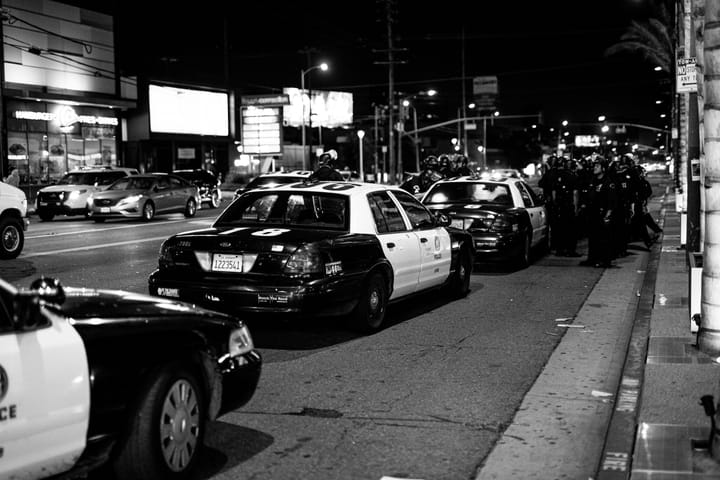
"Man is by nature a political animal." - Aristotle
## The Constant Current: Why We Can't Escape the Political The ancient Greek philosopher Aristotle’s assertion, “Man is by nature a political animal,” rings perhaps more true today than it did in the bustling Athenian agora millennia ago

The Constant Current: Why We Can't Escape the Political
The ancient Greek philosopher Aristotle’s assertion, “Man is by nature a political animal,” rings perhaps more true today than it did in the bustling Athenian agora millennia ago. It’s a statement often quoted, sometimes dismissed as archaic, but a careful consideration of modern life reveals its chillingly accurate core. It’s not simply about voting every few years, or even passionately debating policies. It’s about a fundamental human need for order, for collective decision-making, and for the negotiation of shared existence. We are, at our very root, creatures who organize, categorize, and strive for influence within groups – behaviors intrinsically tied to the realm of the political.
This isn't limited to the formal structures of government. Look at the office breakroom – a microcosm of power dynamics, alliance-building, and quiet maneuvering over the placement of the communal refrigerator. Consider the parent-teacher association, a fiercely defended territory of influence peddling for school resources and syllabus changes. Even the formation of friend groups is inherently political; who is ‘in’ and who is ‘out,’ the subtle hierarchies of popularity, the unspoken rules of engagement – these are all forms of political behavior, operating at a social, rather than national, level.
The internet, often touted as a democratizing force, has arguably amplified our political nature, not lessened it. Social media platforms, instead of being neutral spaces for connection, have become battlegrounds for ideological warfare. Algorithms dictate what narratives we see, fostering echo chambers and intensifying polarization. The very act of curating an online persona, carefully constructing a digital self to project a desired image, is a performative act of political self-presentation. "Likes" and "shares" translate to a form of social capital, influencing perception and impacting real-world opportunities. The cancel culture phenomenon, while often decried, is, in its essence, a concerted effort to wield power and enforce behavioral norms – a deeply political act.
The contemporary rejection of 'politics' as something dirty or undesirable is, paradoxically, itself a political stance. To claim apathy is to tacitly endorse the status quo, to leave decisions to others. To disengage is not to escape the political, but to cede ground within it. The rise of anti-establishment movements, fueled by frustration and disillusionment, are, ironically, some of the most overtly political expressions of our time.
Consider the increasing prevalence of lifestyle choices as political statements. Choosing to buy sustainable products, adopting a vegan diet, advocating for specific brands based on their ethical practices - these are all ways individuals exert influence and express their values within a wider socio-economic system. They are not merely consumer decisions; they are assertions of belonging to a particular ideological group and a rejection of alternatives.
Aristotle wasn’t arguing that humans are inherently good political animals. He recognized the potential for corruption, for tyranny, and for the pursuit of self-interest at the expense of the common good. His point was simply that we are political, that this drive towards communal organization and influence is woven into our very being. Suppressing it doesn't eliminate it; it merely drives it underground, often manifesting in less constructive, even destructive, ways.
Perhaps the most pressing implication of Aristotle's observation in the 21st century is the need for a more nuanced understanding of 'the political.' It's not confined to governments and laws. It's not simply about left versus right. It's a vast, complex network of power dynamics operating at every level of human interaction. Recognizing this inherent political impulse, and engaging with it thoughtfully and responsibly, is crucial for navigating the increasingly complex challenges facing our world. Ignoring it, or pretending it doesn’t exist, is a recipe for further fragmentation and conflict. The constant current of political maneuvering will continue to flow, with or without our conscious participation. Understanding its nature is the first step towards harnessing its power for good.