Look! Before our very eyes, the future is becoming the past.
In an unprecedented phenomenon that has captivated scientists and philosophers alike, a densely packed air of nostalgia has permeated the atmosphere
In an unprecedented phenomenon that has captivated scientists and philosophers alike, a densely packed air of nostalgia has permeated the atmosphere. Everywhere you turn, the scent of wood, the distant hum of manual typewriters, and urban landscapes reminiscent of the early 1900s decorate the environment. Across the world, long-gone industries are resurfacing with astonishing speed, as if history is rewinding with unyielding determination.
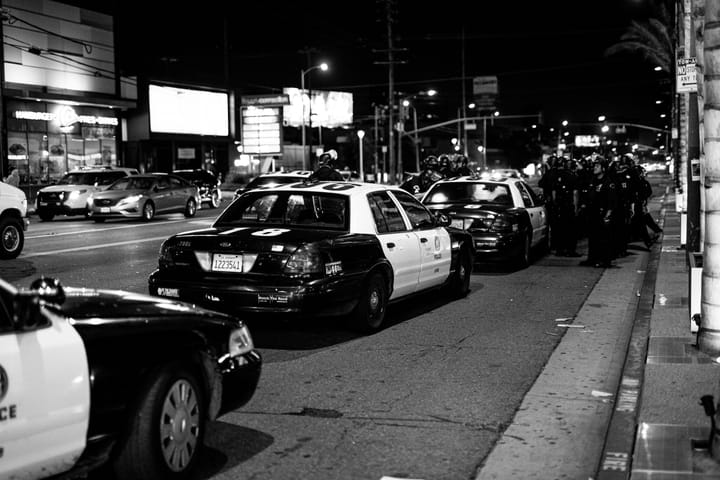
People have reported sightings of steam locomotives returning to modern rail tracks, and the odd disappearance of contemporary cars. In some urban pockets, horses and carriages have reemerged as the primary form of transportation, much to the surprise and sometimes bewilderment of citizens. residents of megacities found themselves waking up to morning papers rather than digital notifications.
Technology, too, seems to be taking a huge backward leap. Reports have come in from tech hubs such as Silicon Valley where e-mail and dial-up internet suddenly became the norm. Companies are trading smartphones for flip phones and notepads for laptops, an substitution that has intrigued analysts who are still deciphering its logic.
Reports from textiles and fashion industries reveal a surge in traditional fabrics and styles being brought back. Clothes bearing the themes of early 20 centuries are being heralded as contemporary fashion statements, which is a radical shift from the fast fashion trends to which people are accustomed.
The intriguing phenomenon is a profound subject of research for scientists who are delving into possible theories of temporal anomalies. Some posit a time warp, while others are considering environmental factors as influential agents of change. Museums are also reinventing their narratives to reflect the peculiar convergence of past and present.
Despite the widespread astonishment, there is a general consensus of acceptance rather than alarm. People seem to have embraced the change, recalling the fresh appeal of simplicity and the creativity of prior eras. As this trend continues to escalate, the societal conversation revolves around how we accustom ourselves to this torn fabric of time.
The global phenomenon has undeniably stirred an intrinsic longing for nostalgia—an enchanting force of the future yielding to the allure of history, proving that although times may blur, the human longing for connection to our past remains intact. A spectacular dance of chronology is herein what the future and past seems to be intertwining before our very eyes.