If you want to put yourself on the map, publish your own map.
In an era where visibility and recognition are often tied to digital presence, the adage "If you want to put yourself on the map, publish your own map" resonates deeply
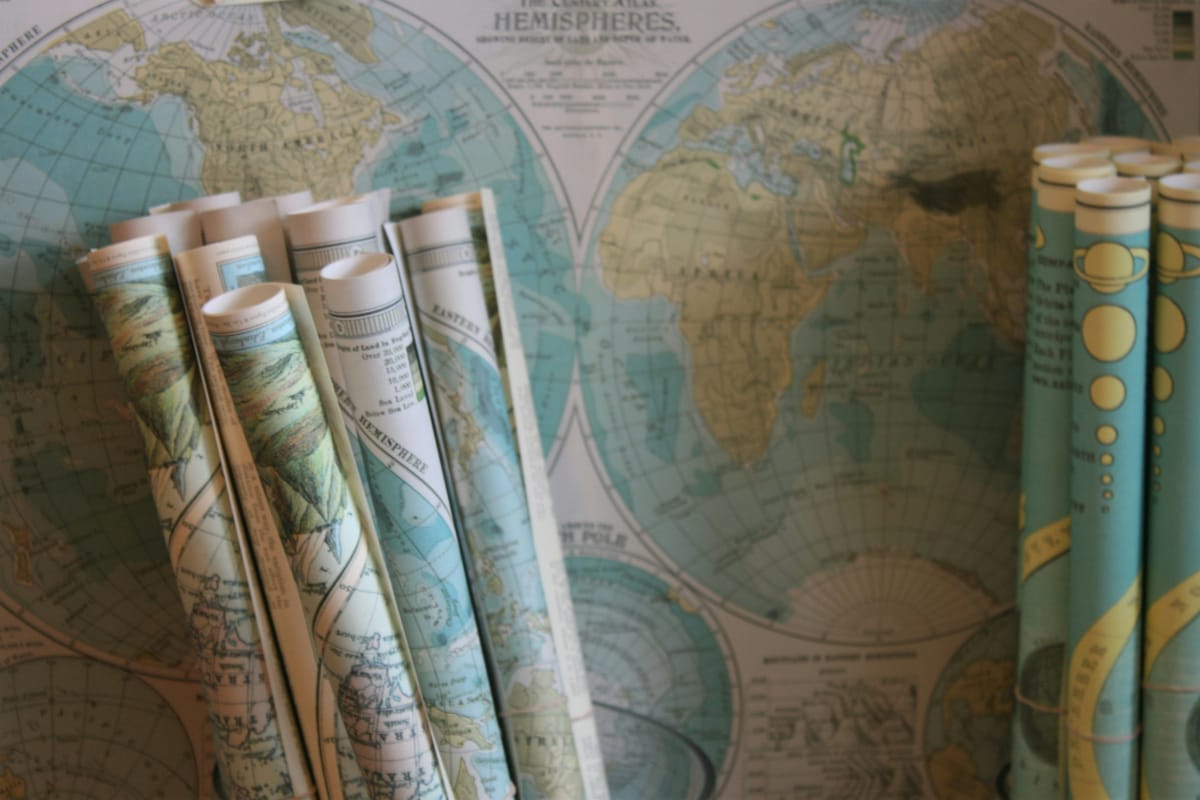
In an era where visibility and recognition are often tied to digital presence, the adage "If you want to put yourself on the map, publish your own map" resonates deeply. This phrase, both literal and metaphorical, highlights the power of self-representation in shaping identity and prominence. Whether through historical exploration or modern technology, creating and sharing maps has long been a tool for establishing presence and influence.
Historically, explorers and cartographers played crucial roles in mapping unknown territories, thereby bringing attention to new regions and cultures. These efforts not only facilitated navigation but also defined political and cultural landscapes, placing previously overlooked areas on the global stage. The act of mapping was not just documentation but an assertion of existence and importance.
Today, the digital age has democratized map-making. Platforms like Google Maps and social media allow individuals and communities to highlight local spots, share experiences, and promote their regions. This shift from traditional cartography to user-generated content empowers people to define their own spaces, making their voices heard and their areas visible.
The impact on communities is profound. Local businesses gain exposure, tourism flourishes as hidden gems are revealed, and cultural heritage is preserved through shared stories tied to specific locations. This digital cartography becomes a tool for community empowerment, enabling regions to showcase their unique identities and attract attention that might otherwise elude them.
However, challenges such as misinformation and privacy concerns accompany this democratization. Ensuring accuracy and ethical considerations are crucial to maintain trust and integrity in user-generated maps. Despite these challenges, the benefits of self-mapping in fostering community engagement and economic growth are undeniable.
In conclusion, the act of creating and sharing one's own map, whether physically or digitally, is a powerful assertion of presence and identity. It transcends mere navigation, becoming a tool for empowerment, cultural preservation, and economic development in an increasingly interconnected world. As we continue to navigate the complexities of globalization, the significance of self-mapping endures, reminding us that true recognition often begins with our own initiative to be seen and heard.