IBM Pollyanna Principle: Machines should work. People should think.
In the ever-evolving landscape of artificial intelligence and machine learning, IBM has introduced a novel concept dubbed the "Pollyanna Principle
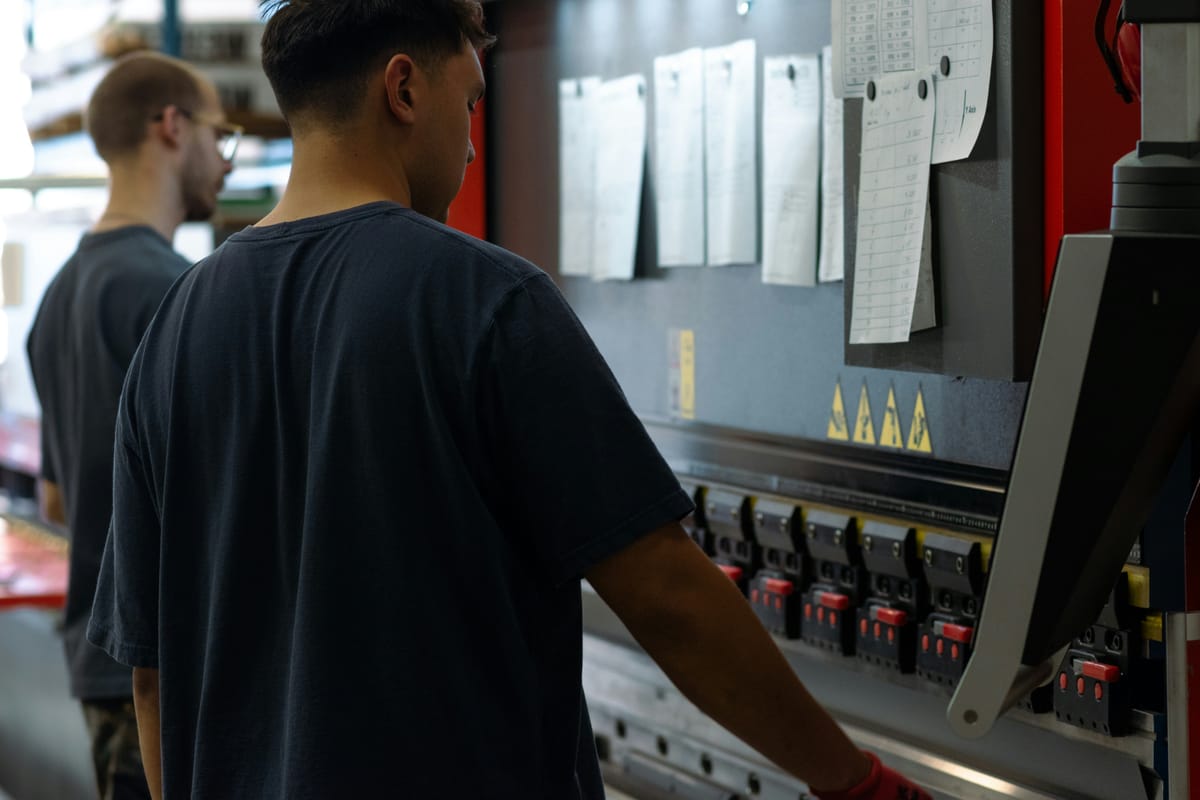
In the ever-evolving landscape of artificial intelligence and machine learning, IBM has introduced a novel concept dubbed the "Pollyanna Principle." This principle posits a clear delineation between the roles of machines and humans in the modern workforce. At its core, the Pollyanna Principle advocates that machines should be tasked with the repetitive, mundane, and labor-intensive work, while humans should focus on creative problem-solving, strategic thinking, and innovation.
The principle is named after the optimistic character Pollyanna from Eleanor H. Porter's novel, symbolizing a hopeful outlook on the future of work. IBM's vision is rooted in the belief that by leveraging the strengths of both machines and humans, we can create a more efficient and fulfilling work environment. Machines, with their unparalleled processing power and ability to handle vast amounts of data, are ideally suited for tasks that require precision and consistency. These tasks often include data entry, routine maintenance, and other forms of repetitive labor that can be automated to free up human time and energy.
On the other hand, humans bring a unique set of skills to the table that machines currently cannot replicate. Human creativity, emotional intelligence, and the ability to think critically and innovatively are invaluable assets in any organization. By focusing on these areas, humans can drive innovation, develop new ideas, and solve complex problems that machines are not yet capable of addressing. This division of labor not only maximizes productivity but also enhances job satisfaction, as humans are engaged in more meaningful and intellectually stimulating work.
IBM's Pollyanna Principle is not just a theoretical concept; it is being implemented in various industries. For instance, in healthcare, machines are used to analyze medical data and assist in diagnostics, while human doctors focus on patient care and treatment plans. In manufacturing, robots handle assembly line tasks, allowing human workers to concentrate on quality control and process improvement. This synergy between machines and humans is transforming industries, making them more efficient and adaptable to changing market conditions.
However, the implementation of the Pollyanna Principle is not without its challenges. There are concerns about job displacement as machines take over more tasks traditionally performed by humans. IBM acknowledges these concerns and emphasizes the need for retraining and upskilling programs to help workers transition into new roles. The company is investing in educational initiatives and partnerships with educational institutions to ensure that the workforce is prepared for the future.
Moreover, the Pollyanna Principle raises ethical considerations. As machines become more integrated into the workforce, questions about accountability, transparency, and the potential for bias in automated systems need to be addressed. IBM is committed to developing AI technologies that are fair, transparent, and accountable, ensuring that they benefit society as a whole.
In conclusion, IBM's Pollyanna Principle offers a vision for the future of work where machines and humans collaborate to achieve greater efficiency and innovation. By leveraging the strengths of both, we can create a more productive and fulfilling work environment. However, this vision requires careful planning, investment in education, and a commitment to ethical AI development. As we move forward, it is crucial to address the challenges and opportunities presented by the Pollyanna Principle to build a future where technology and humanity thrive together.