Do students of Zen Buddhism do Om-work?
In the serene and contemplative world of Zen Buddhism, the practice of meditation and mindfulness takes center stage, often overshadowing more vocal or physical forms of spiritual expression found in other traditions
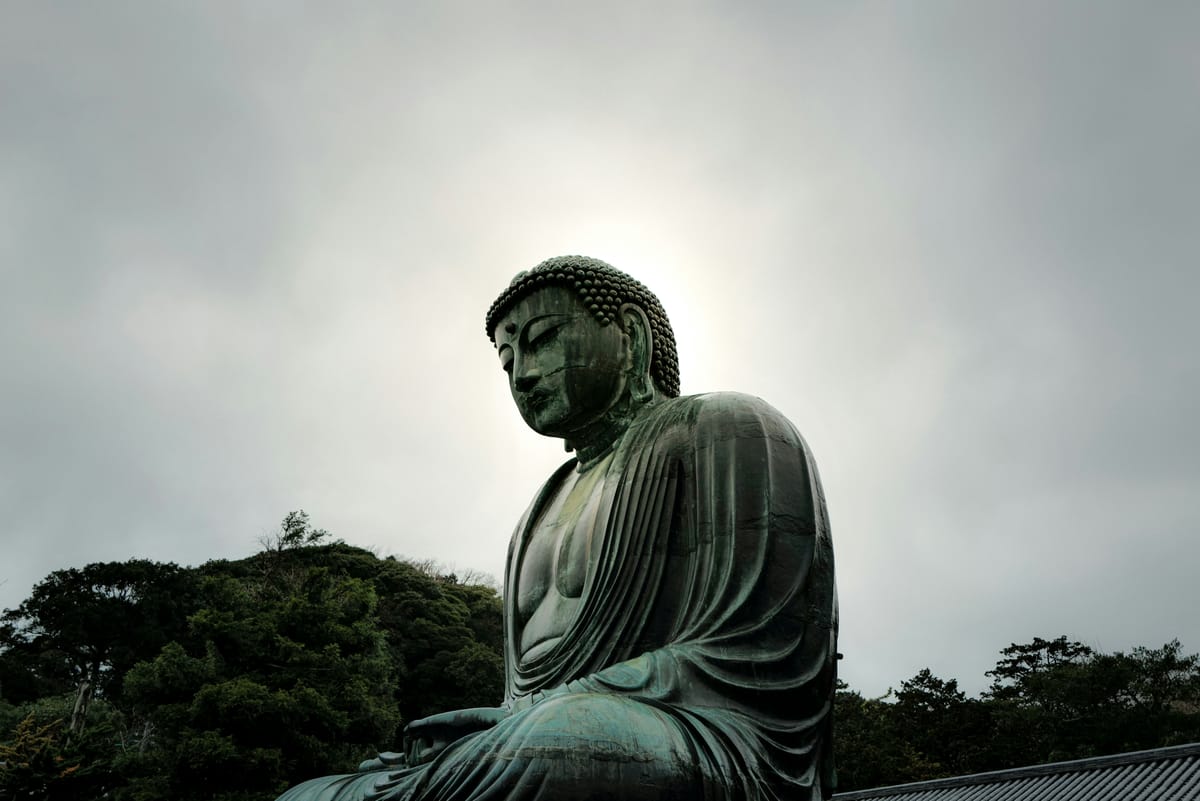
In the serene and contemplative world of Zen Buddhism, the practice of meditation and mindfulness takes center stage, often overshadowing more vocal or physical forms of spiritual expression found in other traditions. One question that occasionally arises, often with a touch of curiosity and sometimes a hint of skepticism, is whether students of Zen Buddhism engage in the chanting of "Om." The answer, while nuanced, lies in the fundamental principles and practices of Zen Buddhism itself.
Zen Buddhism, originating from China and later flourishing in Japan, emphasizes direct, experiential wisdom rather than ritualistic or doctrinal adherence. The practice of Zen is deeply rooted in meditation, particularly zazen, which involves sitting silently and focusing the mind. This meditative practice is designed to cultivate a state of pure awareness and insight into the nature of reality, free from the distractions of the ego and the chatter of the mind.
The chanting of "Om," a sacred syllable in Hinduism and some forms of Buddhism, is more commonly associated with traditions like Tibetan Buddhism and certain schools of Indian Buddhism. In these traditions, "Om" is considered a primordial sound that encapsulates the essence of the universe. Chanting "Om" is believed to resonate with the cosmic vibrations, fostering a sense of unity and spiritual enlightenment.
In contrast, Zen Buddhism places less emphasis on vocal chanting and more on the silent, internal work of meditation. The Zen master Dogen, for example, taught that enlightenment is not something to be sought externally but is already present within each individual. This internal focus is reflected in the Zen practice of zazen, where the practitioner sits in silence, allowing the mind to settle and the true nature of reality to reveal itself.
However, it is essential to note that Zen Buddhism is not entirely devoid of vocal practices. In some Zen monasteries and temples, chanting of sutras, mantras, and other sacred texts is part of the daily routine. These chants are often performed in a group setting and serve to unify the community and deepen the spiritual practice. Yet, these chants are typically more structured and less spontaneous than the chanting of "Om."
Moreover, the concept of "Om-work" as a form of spiritual practice is not entirely foreign to Zen Buddhism. The idea of engaging in mindful, intentional work as a form of meditation is central to Zen teachings. This can include various activities, from gardening and calligraphy to more mundane tasks like cooking or cleaning. The key is to perform these activities with full awareness and presence, turning them into a form of meditation.
In conclusion, while students of Zen Buddhism do not typically engage in the chanting of "Om" as a primary practice, the spirit of mindfulness and intentionality that underlies Zen meditation can be seen as a form of "Om-work." This internal, silent work is what sets Zen apart from other Buddhist traditions and makes it a unique and profound path to spiritual enlightenment. Whether through silent meditation or mindful activity, the goal remains the same: to cultivate a deep, abiding awareness of the true nature of reality and the self.