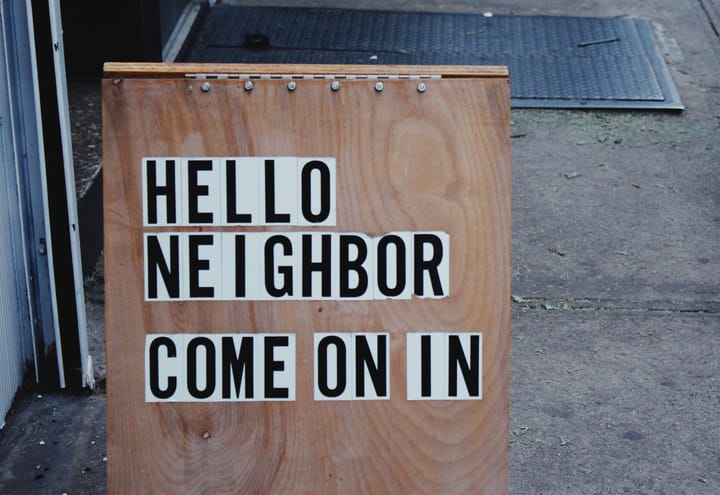
BE A LOOF! (There has been a recent population explosion of lerts.)
Dr

Dr. Evelyn Thorne adjusted her horn-rimmed glasses, peering intently at the seismograph-like display scrolling complex data. "The numbers don't lie," she declared, her voice tight with concern. "Since late Q3, we've documented an unprecedented, exponential surge. Frankly, it's a full-blown Lertpocalypse." Dr. Thorne, head of the Cryptozoological Epidemiology Unit at Miskatonic University, isn't tracking earthquakes or viruses, but something far more peculiar: the dramatic, inexplicable population explosion of Lerts.
The phenomenon first gained mainstream attention not through scientific journals, but via a viral public service campaign that seemingly missed its mark spectacularly. Billboards, radio spots, and online ads simply proclaimed, "BE A LOOF!" in bold, urgent lettering. While the origin and funding remained shrouded in mystery, the message backfired spectacularly. Instead of encouraging vigilance ("Be alert!"), the public became fascinated, even obsessed, with the concept of "lerts." Amateur "lert spotters" formed online communities, artists created whimsical renditions, and novelty "BE A LOOF!" merchandise flooded marketplaces. This cultural fixation, ironically, coincided precisely with the reported sightings.
"It's becoming impossible to ignore," reports Alistair Finch, Mayor of the normally sleepy town of Briarbrook. "They seem harmless enough individually, I suppose – vaguely fluffy, perpetually wide-eyed creatures roughly the size of a large rabbit, mostly nocturnal and drawn to electronics for some reason. But the sheer numbers! They pile up unsecured ladders left by contractors, clog neighbourhood dryer vents requiring costly emergency calls, swarm improperly stored coolers post-barbecue, and create genuine traffic hazards by wandering onto poorly lit roads after mistaking the dim light for a screen. They're unnervingly susceptible to forgetting to change clocks for Daylight Saving, leading to confused mass migrations at inconvenient hours. Our small animal control department is completely overwhelmed."
The scientific community is scrambling. Dr. Thorne's team hypothesizes a correlation between the viral campaign's misinterpretation and the sudden proliferation. "We suspect 'BE A LOOF!' acted as a bizarre linguistic catalyst or even a summoning phrase, harnessing collective subconscious energy," she theorized, though admitting the mechanisms are poorly understood. Others posit environmental factors – a confluence of climate shifts and discarded energy drinks reacting unpredictably with ambient Wi-Fi signals. Whatever the cause, the consequences are tangible.
Supermarkets report shortages of lettuces and obscure spark plugs – items Lerts inexplicably hoard. Hardware stores struggle to restock ladders as bewildered customers attempt to secure them "LOOF-proof." Lemon ore deposits are inexplicably depleting. Public frustration is growing alongside the Lert population. Security camera footage of Lerts clumsily attempting delicate origami with important tax documents only adds to the surreal bureaucratic chaos they introduce.
In response to the crisis, a counter-movement is forming. Tired citizens and baffled officials are launching their own campaigns, desperately trying to correct the record and declutter their lives. New signs are popping up: "Secure Your Ladders!", "Check Your Vents!", "Update Your Devices – Think of the Lerts!", and above all, the message they finally hope cuts through: "BE CERTAIN! BE VIGILANT! BE ALERT!" Whether the public can finally muster the focus to heed this message, and whether the Lerts themselves receive the memo about the revised nomenclature and perhaps considering a different neighbourhood, remains the critical question as fuzzy, wide-eyed chaos continues to proliferate. One thing is clear: the days of complacency are over. The world, quite literally, needs to start being a lot less LOOF.