"Art is a lie which makes us realize the truth." - Picasso
In a world where reality often seems to blur into illusion and vice versa, the power of art remains as potent as ever
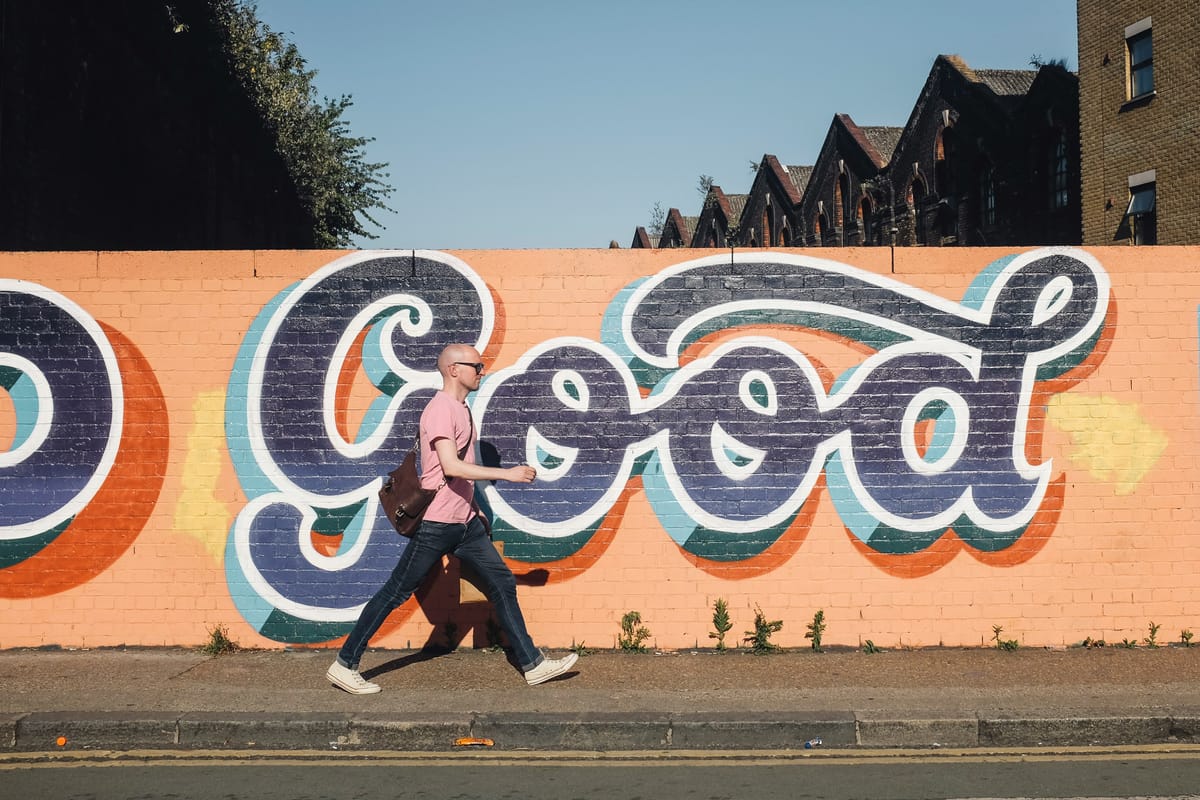
In a world where reality often seems to blur into illusion and vice versa, the power of art remains as potent as ever. A medium that transcends boundaries and reaches across cultural, social, and generational gaps, art has long been hailed as a means for individuals to connect with both their own inner selves and the collective consciousness of humanity.
Recently, Picasso's enigmatic statement, "Art is a lie which makes us realize the truth," has resurfaced in conversations about the purpose and significance of artistic expression. As artists continue to grapple with the complexities of their craft, this thought-provoking sentiment serves as both an affirmation and a challenge, provoking them to delve deeper into the inherent duality of art itself.
A century after Picasso first uttered these words, they continue to resonate in the hearts and minds of artists and art enthusiasts alike. The statement, while seemingly paradoxical, speaks to the inherent nature of artistic creation: that it is both a reflection of reality and a departure from it. It is this delicate balance that allows art to serve as a mirror to our lives, reflecting back the truths we often struggle to recognize in ourselves and the world around us.
The question of what constitutes "truth" and "lie" within the realm of artistic expression can be challenging to answer. In many cases, an artwork may be seen as both a deception and an unveiling - a testament to the complexity of human thought and emotion. For instance, abstract art, which often eschews recognizable form or subject matter, may be considered a "lie" in that it does not directly represent any tangible reality. However, this very abstraction can also force viewers to confront deeper truths about their own perceptions and emotions.
Similarly, representational works of art might be seen as both truthful in their depiction of external realities and deceiving in their exclusion or manipulation of other aspects of reality. These complexities are inherent in the nature of artistic creation, where artists must navigate the boundaries between illusion and truth, often utilizing these dichotomies to engage viewers on multiple levels.
As such, Picasso's statement serves as a poignant reminder that art is not merely an imitation or depiction of reality, but rather, a vehicle for exploring the depths and nuances of human experience. By acknowledging and embracing this inherent paradox, artists can challenge themselves to push beyond conventional boundaries and explore new avenues of creative expression.
In this way, Picasso's statement offers both a clarion call to artists and an invitation for audiences to delve deeper into the world of art. As we grapple with the ever-evolving landscape of our own lives and those around us, perhaps it is through the deceptive beauty of artistic expression that we will ultimately find the truth we seek.


